The Real Work of Parenting Neurodivergent Young Adults (Part 1) — a crossover episode with Penny Williams (Beautifully Complex)
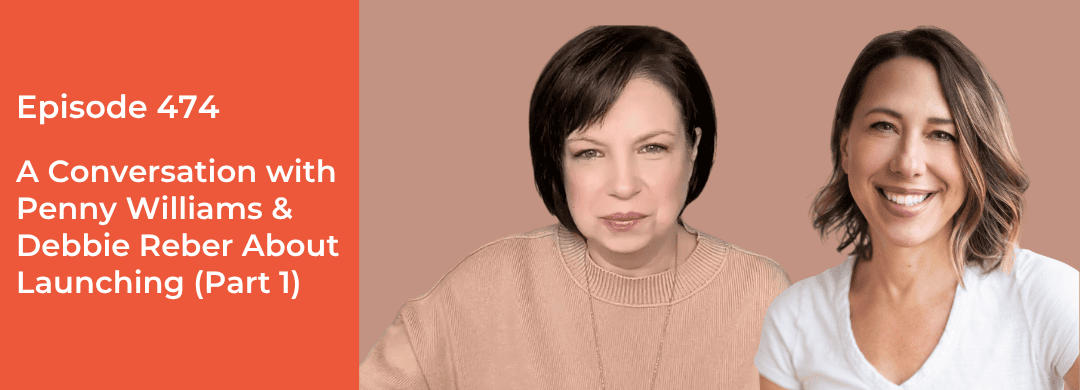
Today we’re diving into one of the most tender and complex stages of parenting—launching our neurodivergent young adults into independence, or more accurately, interdependence. My guest is Penny Williams, a parenting coach for neurodiverse families and the award-winning author of four books on ADHD, including Boy Without Instructions. In this episode Penny and I talk about the emotional challenges parents face during this transition, how to redefine what success and independence really look like, and why interdependence is often the goal that best supports our kids’ thriving. We also explore the healing and acceptance this stage asks of us as parents—and how, even in the uncertainty, there’s so much possibility for connection, growth, and joy. Also, this is part one of a two-part episode — listen to the rest of the conversation on Penny’s Beautifully Complex podcast, which you will find here.
About Penny Williams
 A parenting coach for neurodiverse families, Penny Williams is the award-winning author of four books on ADHD, including Boy Without Instructions, producer and host of the Beautifully Complex Podcast, host of the annual Neurodiversity Summits, and co-creator of The Behavior Revolution Program, a parent training program designed to change the narrative on behavior and help parents celebrate and support their kids with ADHD or autism through neuroscience-backed insights, hard-won strategies, compassion, and guidance. Penny empowers parents to help their neurodivergent kids — and families — thrive.
About Debbie Reber
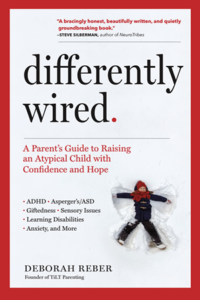
 Debbie Reber, MA is a parenting activist, bestselling author, speaker, and the CEO and founder of Tilt Parenting, a resource, top-performing podcast, consultancy, and community with a focus on shifting the paradigm for parents raising and embracing neurodivergent children. A regular contributor to Psychology Today and ADDitude Magazine, and the author of more than a dozen books for children and teens, Debbie’s most recent book is Differently Wired: A Parent’s Guide to Raising an Atypical Child with Confidence and Hope.
Things you’ll learn from this episode
- How parenting neurodivergent young adults can be both deeply complex and emotionally challenging
- Why redefining success for each individual young adult is key to healthier expectations
- How healing from our own experiences allows us to better support our kid’s growth
- Why aiming for interdependence and self-determination, not independence, leads to greater emotional stability
- How launching into adulthood is often messy, nonlinear, and filled with opportunities for growth
- Why letting go of control, staying curious, and remaining open are essential during this phase of parenting
Resources mentioned
- Meghan Ashburn and Jules Edwards on Autistic Adults, Autism Parents, and the Children Who Deserve a Better World (Tilt Parenting Podcast)
- I Will Die on This Hill: Autistic Adults, Autism Parents, and the Children Who Deserve a Better World by Meghan Ashburn and Jules Edwards
- Dr.Dan Peters Discusses the Teen Years & Preparing for Navigating Launch (Tilt Parenting Podcast)
- Best Gap Year Programs for Neurodivergent Students (Thrive Autism Coaching)
- Dr Eric Endlich on Gap Programs for Neurodivergent Students (Tilt Parenting Podcast)
Gap Programs Debbie Explored
Want to go deeper?

The Differently Wired Club is not your typical membership community.
There’s something here for everyone, whether you’re a sit back and absorb learner, a hands-on, connect and engage learner, and everything in between. Join the Differently Wired Club and get unstuck, ditch the overwhelm, and find confidence, connection, and JOY in parenting your differently wired child.
Learn more about the Differently Wired Club
Episode Transcript
Debbie:
Hey Penny, welcome to the Full Tilt Parenting Podcast.
Penny Williams:
Thank you so much. I’m so excited that we’re going to have this conversation together.
Debbie:
I am too. So I already explained what this is in the intro, but just to kind of set the scene, we’re gonna be doing this kind of two-parter and talking about launching, which I even have problems with that word, but it comes up all the time. Yeah, do you wanna take a minute and just even, cause this is a conversation, it’s not an interview, we’re just gonna chat. Like as if people were listening to us, eavesdropping on a conversation we’re having over coffee perhaps, but would you share why we’re doing this? Why? Because we were like, we gotta do this together. Why was this important for you to do?
Penny Williams:
I feel like you and I have had this parallel journey and timing in some ways that, you know, early on when our kids were diagnosed, there wasn’t any help. There wasn’t much help for us. And we both dug in so that we could try to figure it out. And it led to us doing this work and doing similar work. And so I followed you and your work for a long time. We’ve chatted many times and been on podcasts and stuff and now we’re raising neurodivergent young adults and it’s hard. It’s traumatic at times, honestly, right? I think you would agree. I mean, I think we have to validate the amount of trauma that a parent goes through in raising a complex kid. There is some trauma.
Debbie:
Yes. I was gonna say brutal.
Penny Williams:
And we’re not saying it’s trauma like when someone is physically violated. Trauma looks like all different things and it comes in all different packages. But there are times where this parenting is so very difficult that it affects the core of us. And that doesn’t stop when our kids turn 18. And kids like ours don’t traditionally launch and they definitely don’t follow that traditional timeline. And I think you as well as I, have parents constantly asking us, you know, how do we get our kids to launch? What do we do? My kid’s 20, they’re still at home. They’re not working, whatever it is. Success just has to be defined so much differently. But also there’s so much work in us being able to accept that and to let go and be okay. And there are so many outside forces that are telling us it’s not okay. And we have to manage and juggle all of these things while also helping our kid figure out how to be independent someday, whenever that is for them.
Debbie:
Yeah. Yeah. And whatever independence or interdependence looks like for them. Yeah. Yeah.
Penny Williams:
Yes, yes. And I’m excited to talk about that distinction because I think that we really need to shift.
Debbie:
Yeah, I agree. I agree. Yeah. And as you were talking about trauma, I’m just thinking about the level of hypervigilance that, you know, we often have to hold with us. I don’t know if have to, but I certainly experienced a lot of hypervigilance when it comes to supporting my kiddo. And, you know, honestly, like on any given day, we’d have this conversation, I would show up to it in a completely different place, depending on how my kid’s doing. Right. So, it is, it’s very complex and before we actually get into it, well, first of all, just to set listeners’ expectations, we’re doing this in two parts. So we’re gonna today be talking kind of about redefining launch. And we’ll talk about some general things having to do with our, you know, how we have navigated launches. And then we’ll do a part two in two days on the beautifully complex podcast, that’s Penny’s podcast, where we will continue the conversation and get into some more of the maybe specific nuanced situations and some of the considerations that seem to be so important or feel very critical, whether they are or not, who knows, right? But what those considerations are. And then just to say this upfront, when we discuss even having this conversation, it was really important to us that we maintain some privacy for our kiddos who are, they’re young adults, our kids are about the same age and we want to respect that. So we’re going to be focusing on our experience, what we’ve learned and how we have shown up for our kids. Is there anything else that you would want to add in terms of framing this conversation?
Penny Williams:
No, I think you covered it. Like, it’s definitely for me coming from my experience. I have not researched, you know, so much the work that I do. I’ve researched, I’ve pulled things together, I’ve weaved in my experience. This is like, I’m living it right now. And it’s hard and it’s messy. But there might be some, at least some validation for parents who are listening, if not, maybe a couple of juicy nuggets they can also implement, right? I definitely do not have this figured out, but I have learned some things in the amount of time that we have spent on this process thus far.
Debbie:
I couldn’t have said it better myself. So thank you for that. And I guess maybe just, I always like defining things and just so we even are all on the same page. If we think about this idea of a launch and I’m using air quotes, if you’re not watching on YouTube, I’m using air quotes for launch. I’d love to know, and I’ll answer too, but I’d love to know from you, you know, what did you used to think launching meant versus what it means to you now.
Penny Williams:
Yeah, I used to have that idea of what launch looked like for me. You know, I went to college before my 18th birthday had even happened. I went to college in the same town that I lived in where my parents were, but I moved into the dorm. I had two jobs at that point, but I didn’t. My parents were putting me through school. I was fortunate enough that they could do that. And I was just doing all the things I was doing so many things and I was mostly doing it successfully. I mean, I was making some bad choices and I didn’t get high enough grades in science. I had to drop my science major and pick something else. You know, I was juggling the balls and I was taking care of myself. And I did that early. Like I’ve really, really wanted my independence the second I could have it. Now it feels very different. And that expectation that society has that at 18 kids go out in the world and they take care of themselves. I just don’t think it works for most kids, not even neurotypical at this point, because financially it’s nearly impossible to live on your own and rent something as a young adult who’s not making a ton of money. And also I think that we just have a shift in our relationship. I have a very different relationship with my kids now as young adults than I had with my parents. I didn’t want to be seen in public with my parents at that age. I would not, you know, they were not invited to parent weekend. They were not invited at all. I don’t think they ever came to my dorm once. Like I had a very different relationship and I’m proud that I have a different relationship. Like I’m glad that it looks different. But yeah, early on before I figured out that I needed to parent differently and I was okay with that, I would have thought like high school, college, you’re doing your thing. And you might need my advice sometimes, you might need a little money sometimes, but mostly you’re doing your thing. What is it for you?
Debbie:
I definitely thought launching was like a moment, you know, it was like this thing that happened at the time that our kids officially transitioned. And even though intellectually, I knew that that was going to be like, you know, we talked about having a long runway and this is a longer transition. I still thought it would be a transition that could be felt or experienced in a way that felt like defined, if that makes sense. Or contained. And I used to think, yeah, it meant leaving the nest, being a student, getting a job, whatever that looks like. But more than that, really taking ownership and agency over one’s life. that, you know, I guess when I was in my mid twenties, I was like, so I know that like I am an adult, but like, when do I get my card? When am I going to feel like I’m an adult? Right. Because I didn’t feel like an adult yet. I was doing adult-like things. and so I think the same thing with launching a kiddo that there would be this moment where they would kind of really step into, okay, I’m, I’m in charge now. I really want to own my experience and that I would officially be stepping back and being more in a supportive role. I now know that that is not really what this looks like. As you said earlier, it’s pretty messy. It’s ever evolving and changing and zigzag and all of those things. And in order for me to really show up for what this launch looks like right now, I’ve really had to let go of this idea that if I’m, that if it doesn’t look that certain way that we’ve somehow failed, right? That this is a failure to, to launch.
Debbie:
So you talked about how this, what you thought it was going to look like. there anything that you found yourself really like holding onto that, you know, you were in acceptance of these other pieces, but still there was this aspect of it that you’re like, yeah, okay, but this really does need to happen. Or this still is part of the launch journey that I’m envisioning for my kiddo.
Penny Williams:
The biggest shift I think I had to make was just about the timeline. And it was what you were talking about just before the break. Like we thought it was going to be this sort of moment or the small period of time. And actually it needs to be a much longer period of time. And we need it to be their time, not our time. I haven’t necessarily held on to like one thing staunchly, but I do ebb and flow. Like there are times where I’m just like, oh my gosh, my kid’s 23. We haven’t done any school. Just got a job in the last couple of months. So before that, I would see on social media, I would see even other neurodivergent kids going off to college or doing these things that my kid is not doing yet, because I always like to add the word yet. And so that’s sort of the sticking point for me is kind of Just every now and then I have that freak out where I’m like, how am I failing him? Because naturally that tends to be what we ask ourselves. And then I remind myself that I’m not failing him. I’m letting it be his journey in his time, but also still sticking to the fact that we have to make progress. When I get really keyed up, when I get really uncomfortable is when I feel like there’s no forward momentum whatsoever. And I’m a huge fan of tiny steps, but if we’re not even taking a tiny step, then it feels bad. Then it feels like I’m not helping to at least be on the path towards a more independent existence, right? So that’s really the part for me that sort of keeps bubbling up at times. And I’ve just had to use that self-talk that I’ve learned over the years, that I’ve taught myself. I just have to remind myself, this is the thing, and you have said you’re good with it, and you can feel it, but you can’t let that feeling take over. You have to keep thinking about what you decided it was okay for this path to look like.
Debbie:
Yes, it’s so I’m so glad we’re talking about this because I do think that people need to know that this is the actual experience. And that we still, knowing everything that we know and doing this work and all the people we’ve talked to and the experts we’ve researched and all of that, and having all the skills and all the things, it doesn’t make those thoughts come up that we’re not doing it right or those looking at other people’s situations. You know, the thing that’s hard for me, like we just watched, it wasn’t the most recent season of Great British Bake Off, but it was the one before. And there was a contestant there who was 20. And I was like, my God, like I just couldn’t get over the fact that this 20 year old baker, right, had her stuff together and just the composure and dealt with loss so well and the resilience. And I was just like, so blown away by her.
Penny Williams:
Yes. Me too. Yes.
Debbie:
And it’s really hard to not see those things and then do some sort of comparison. Like, wow, this is not even close to where we are right now. Did I do something wrong? Should I be doing more? And so I just wanted to say that because I think that, and I hear this from folks in my community that like, there seems to be, and I’m guilty of this too, this idea that if we do all the things, even these extra things that we know to do to support our neurodivergent kits, if we accept their timeline, if we really validate who they are and respect their own journey, we show up as that supportive coach and we do all those things, they’re still in the back of our mind, this idea like, well, then it’s going to move in the direction we want it to. And we have to continually, I have to continually like, attach to that outcome, let it go. Attach to an outcome, let it go. Like that is the mantra I have to be doing over and over in my mind.
Penny Williams:
Is there something that you had to sort of give up this idea or thought process?
Debbie:
I mean, I think it is that control piece. We were talking about control before we hit record, but that is like my ever ongoing work is just, I think I do still believe that if I show up with the right scaffolding, the right support, the right non-anxious presence, I repair my ruptures. I do all the things, and I do all of those things. And I believe they’re so important, and they certainly have supported my relationship with my kiddo. But I still, there’s a part of me that feels like, I should be getting something on the other end of this, right? There should be some kind of payoff, right? I make it about me. So I think that is just the thing I’m constantly having to let go of.
Penny Williams:
Yeah, and we do look to our kids to appreciate what we’re doing for them. We want that validation. We want that response to, I think we attach this worth to it. Like it’s worth it if they appreciate it. But a lot of kids show that in different ways. I’ve had this conversation with coaching clients several times lately. It’s like, I do all these things for my kid and they never show any appreciation. They don’t thank me. This was like so much work for me, this is so hard for me to put myself out there and I don’t get that appreciation. You know, I think it has to look differently, but also we have to know that at some point, and maybe they do internally and they’re just not sharing it, we can’t attach that validation to what we are bringing to the table and how we’re supporting. And I do really think that they do have appreciation. They do notice.
Penny Williams:
Sometimes we probably overstep and we give too much that they don’t want. Uh-huh. Uh-huh. Uh-huh. And so, you know, we have to be careful about that. But I think they do appreciate that support. If I can share a really short story really quickly. My kid has many online friends. He has lost touch with in-person friends after high school, which is a challenge. We’re trying to figure out how in the world do we…
Debbie:
I mean, speak for yourself, Penny, but.
Penny Williams:
…make new connections now. And he started going to an annual convention that I would take him to because he doesn’t drive and meeting up with these online friends. And we’ve done this two years in a row now. And every time his friends come to me when they meet me, like I’ve met a different group of friends each time and say, you’re the best mom. I can’t believe what you do.
For your kid. I just want them to hug me. And I think that is the only thing that I need from this whole parenting journey because it’s an acknowledgement from him that I really fought for him, that I am really in his corner, that I really care about his experience and letting it be his experience, letting him do it differently, right? And like, there are plenty of times that we don’t see eye to eye, that we don’t get along and all of that, right? Like it’s not just hunky dory, but that to me is that validation that he did recognize that I had his back. And that just helps our kids, their bodies and their minds for things to be doable, right? Like that showing up. And so there’s great value, and just being there and being supportive without adding, taking over their executive function and supporting all these other things that we try to do, but just showing up and being open. And it’s that, you know, I see you, I hear you, I understand you. We all need that feeling and it changes things. But that just reminded me of that. And I wouldn’t like to be seen in public with my parents at that age. So it’s wildly different. And it gives me a lot of warm fuzzies. But like, that was really the thing for me that makes me feel successful. And then sometimes, you know, when I’m having these messy moments, I call on that again. I’m like, okay, doesn’t feel like we’re making progress. But I am honoring who he is, where he is, what his timing is. Let’s try to keep going in that mindset, right?
Debbie:
Yeah, I love that. I’m so glad you shared that story. And it’s just a reminder of how important relationship and connection is, like everything that we do. And you’re right, we might not get like, I’m lucky if I get a response on text, you know, or or if it’s even read for several days, right. So I’m not getting a lot of validation from my kiddo. But knowing that when we’re together that we are deeply connected, like all of that work. That’s what I care about at the end of the day, and that my child feels safe with me, like emotionally safe. And I just, we’ll go to break in a minute, but I just wanted to also acknowledge, you know, something you said before made me just think about the fact that our kids are supposed to individuate, right? Like that is part of this process. And because of their asynchronous development, like socially, emotionally, they might be much younger than their chronological age. And so kind of not wanting to talk with us or pushing us out or being not gracious sometimes with our support or we often, especially as the people may be closest in their lives, the closest caregiver in their life, we’re going to get the venting or the brunt of the big messy emotions from them. And that can be just really hard. So there are these expectations.
That they’re gonna be doing all of these things, yet they still socially, emotionally may be at a much different place. And so that contributes to the messiness.
Penny Williams:
So before we talk about some different options and paths, I wanted to talk a little bit about this idea of independence versus interdependence. Because as I dug into those two terms in preparation for our conversation, I realized that really we actually want interdependence and not independence. Because interdependence is when I can do things on my own, they are doable, but I also know that I can get support when I need it and I am okay with doing that. I’m good with asking for support because we need each other. We need connection to have a happy fulfilled life. If we’re completely independent in this really black and white way of thinking about it, we’re missing that and we’re missing the idea that no man is an island. We can’t do everything alone all the time and get it right. We do need other people. So I like that distinction actually, which I’d never thought about until you queued it for this conversation. But actually we really want them to ask for help. We just don’t want them to rely on us for everything. What do you think?
Debbie:
Correct. Yeah, absolutely. I think, I mean, really, we’re, we’re, none of us are independent. Like we all have support systems. Like, you know, I have a call after this with my therapist, I’m dependent on her for certain things, right? So that is part of my support. got my, my family, my friends, my, all of those things. And I think of Meghan Ashburn and Jules Edwards, who wrote the book, I Will Die on This Hill. And when I had them on the podcast, we talked about this, you know, they really reject this idea of independence as the goal and just how problematic that term is. And really the goal is self-determination, right? It is being able to create the life that you want and knowing that we can, we need other people in order to do that. And yeah, so that is a, think it’s a really helpful reframe because I think independence, that word is thrown around all the time. And independence in our mind, we can think it means self-sufficient, supporting, paying rent, having a job, totally, all of those things. And that isn’t realistic for a lot of neurodivergent kids, first of all. But second of all, everybody’s got support. Even people who are doing that, they might have family support who helped to put a down payment on an apartment. That is interdependence, right? Like there’s just. Know one way that this can look. So all right, let’s not go down too far of a rabbit hole, but go ahead. Yeah.
Penny Williams:
Yeah. I just want to say one thing about that though that sparked when you were talking, which is that independence, we also want that to be healthy. We want them to be mentally stable, emotionally stable, happy and whatever that looks like for them. So somebody could be independent, but really struggling and unhappy. And that’s not what we want either. We want that life where they’re sort of taking care of themselves, whatever that looks like, it also feels good for them. And I think maybe that’s a consideration we don’t think about all the time. We think about the money and the job and the things that it takes to take care of yourself physically, but we also have to think about that mental and emotional health piece and what we want that to look like for them too. And is that possible while also doing all the things for themselves?
Debbie:
Yeah, absolutely. Well, as a way to wrap up this particular conversation, again, we’re going to continue this later on this week because we’re realizing we have a lot to share about launching. We could probably talk about this for hours and hours, but let’s spend a little bit of time talking about what kind of the common, and I’m using air quotes for common, but what some of these paths might look like. What are some of the options? And I’d be curious to know what you guys explored and anything you want to share, again, where we want to kind of maintain our kids’ privacy, but if there are things you want to share about what you guys considered and any programs or plans you’ve implemented.
Penny Williams:
Yeah, the first thing really was healing from the school experience. My kid had just the most awful school experience, no matter how much I knew, how much I advocated. It was very hard for me to get other people on board with the idea that you could be really wicked smart and also really struggle in school. And so he was constantly getting these messages that he wasn’t trying hard enough, knowing that he was trying 10 times harder than any other, not any other kid, but many of the other kids there, right? And that really took its toll. By the time he graduated, which barely happened and was during COVID and was literally a drive through graduation that lasted, I don’t even think it was 10 seconds because I missed him shaking the hand and grabbing his diploma with my camera. But it was wildly different than anything that I had dreamed about. And I felt kind of cheated, honestly. I felt like all of this was so hard to get to this point. I wanted the pomp and circumstance. I wanted to celebrate it. And we did privately, but it just wasn’t the same. So he graduated feeling incapable and worthless. This is what he would verbalize. I have no purpose. I have nothing I can contribute. It’s all pointless, which is heartbreaking because it’s untrue and also heartbreaking because I couldn’t even quantify how much work I put into that not happening to him and it happened anyway, right? Despite us trying to balance or override, I guess, those messages, clearly we couldn’t. And so we had to just have this time of healing. We had to just let everything be whatever it was going to be. Plus, dealing with all the emotional stuff of COVID. There were so many layers going on on top of that. It was very difficult, the transition just did not look like what we expected. He had been doing part in person and part online at home with my support, schooling in high school. He had made a goal for himself at the beginning of his junior year that he would go full time in person his senior year. We had talked about him having some sort of part time job as well. So he could start preparing those independent skills, right, that we think about. And none of that was able to happen because second semester of junior year, COVID, and he never went back to school in person at all. He graduated mid-year, his senior year. He was actually able to graduate a semester early. And so there was just so much emotional turmoil and he needed time. There were no conversations about school whatsoever.
Debbie:
Wow.
Penny Williams:
They would have gone nowhere. They would have been in complete shutdown. I knew that. I knew that he was not going to be ready for some period of time to think about any sort of higher education or even like trade school sort of stuff. So for a couple of years, which was way longer than I thought that period would be, we just sort of sat with it. And I did the work on myself with being okay with sitting with it and trying to support whatever needs he brought to me. And then we started having conversations about what do you think you might want to do? What do you think you might want to explore? What would it look like to explore that? Right? And just being really open, not bringing my ideas to the table, but guiding when he was struggling with his own ideas, right? And letting him know that we don’t have a specific timeline. We don’t have a specific career that we think you should be pursuing or anything like that. It’s wide open, which can be overwhelming. But in the place that he was at, it’s really what needed to happen, this complete acceptance of his journey, his being, what he wanted. He needed that for that healing. And then we started talking about sitting together online.
And just looking for a few minutes at an idea that he had about a career. One that he sort of latched onto after many, many, many, many others that we talked about was surgical technician, because he thinks surgery is kind of cool. It’s a two year program, and it pays really well. It would meet all of his goals and dreams of what he wanted to do. And as we were sort of discussing that and discussing him going and meeting at the community college to just talk to them about what that might be like. We experienced Hurricane Helene in Asheville, and it completely derailed us. And this has happened multiple times where something huge has happened because it’s life. And we’ve regressed, we’ve gone back. And so we had another period of time of just really nothing, because it was a period of healing, we were all struggling with what was going on around us. And at the same time, he was doing therapy, which he came back to on his own on his 18th birthday, he quit and he came back many years later, completely on his own. He reached out and asked for the appointment because I said, you have to do it. And he talked about it probably for six months before he did that. But then he did it and he’s been sticking with it. And in conversations with his therapist, he realized that he didn’t want a sedentary, even though you’re standing and you’re moving a little, it’s pretty much standing when pleased for long periods of time. He’s like, no, I don’t think that works for me.
Penny Williams:
I think I want to create with my hands. I want to do something with my hands. And it worked out that his dad, who is a woodworker and works for a kitchen and bath company, needed some physical help. And they were open to it being our kid. And so he started doing that part time. But we’re talking about four years after high school graduation that that thing fell into place. It took a very long time to get there. And it’s not perfect. Honestly, it’s been bringing up a lot of school avoidance and refusal stuff, trauma that I’m still holding on to every morning. And yeah, it’s been a thing. Because when he doesn’t feel good, it’s immediate, can’t do anything. We’re still working on like, how much can you not feel good and still sort of do what you need to do, right? And so it’s a challenge, but it’s growth. And that’s… for me when I’m sticking to. And I know that was a really long explanation and I left out so many parts, but yeah.
Debbie:
I’m so glad that you shared that because it’s a real look at what this can look like in real time. And of course you had some, you know, incredible natural disasters and epidemics, pandemics to deal with in there. but I know I thought that was super helpful. and you ticked a lot of boxes too. Like I think, you know, things that I’ve heard in my community and what I’ve had folks in the show talk about, like what some options are for kids, you know, in addition to kind of like the high school to college or, know, there are, there are apprenticeships, there are community colleges really, you know, know a lot of folks raising neurodivergent kids who do that, like one or two classes. Well, you know, just to dip your toe in and start to slowly build up that skill. But I also think it’s so realistic to recognize that by the time our kids finish with some sort of, you know, traditional schooling or whether it’s homeschooling or whatever that looks like, but that kind of reaching that marker that high school is finished, that there’s often a recovery period that has to happen, you know, and I was thinking I talked with Dr. Dan Peters about this on my show years ago, and he is such an advocate of making, of taking that time then before moving on to the next thing to really try to get mental health in a good place to help kids move on to whatever that next step is feeling a little bit more, their wellbeing is a little bit more sturdy. And so that can take as long as it takes. I’ll spend a few minutes sharing some of the things that we did. And then I think we’ll wrap this one up and then listeners will have to tune in on Thursday to the Beautifully Complex podcast and we will continue this conversation. We have a lot, you guys, just so you know, we have like, I printed out like six pages of notes and we’re like halfway through number two. So if you are navigating or soon to be navigating, you know, the high school young adult time with your kiddos, hopefully we’re gonna be answering all of your questions and all the things that you were like worried about and thinking about at four in the morning.
But just quickly for our journey, we did high school back in New York, an unconventional high school. So it was definitely an alternative learning environment. Then started to, the goal had always been my kiddo wanted to, was like, I’m going to college, I’m going to college, I’m going to college and had some kind of big dreams about what that would look like. And going into that period of applying, I was like, I don’t think this is happening right now. the anxiety was just too much, the workload of senior year of high school plus the demands of applying to colleges and writing essays and doing all of that stuff. And I was like, you know what? We can do this at any point in time. There’s no rush to do this.
We did take a pause and we’re like, we just decided right then and there that this is going to be a kid who does a gap year and we didn’t know what that was going to look like. But we knew that that was going to be in the cars. And so we just finished high school and tried to do the same thing, kind of, just kind of get back on track, kind of let go of the stress of school and, and my kiddo ended up doing a gap program that did apply to some schools was not easy. Those applications are really difficult. And for neurodivergent kids with all of the, you know, this essay for this school and these supplemental questions, it was a lot to manage. And there was a lot of scaffolding on the part of, you know, I think Darren, my husband, was like the main guide there.
And then my kiddo did a gap program for a couple of months in Ireland, which was the first time that, you know, we had that kind of distance and it was interesting and positive and hard and messy and all of those things. And it was a really good program. I, if people want to hear more about that, the gap programs, I did a lot of research and, and, and so I have vetted many that are really ideal for neurodivergent kids. So I’ll leave a link to the resources I found in the show notes for this episode. And so after that, my kid has gone to university and is not living at home and I have to fly to get there. Just got back from a trip and it’s a work in progress. And it’s just been, it’s really for me, and it’s been a lot of…
I’ve been doing all my own work so much, just really like trying to tolerate the discomfort of knowing that my kid is really kind of, you know, it’s my kid’s journey and I can support and I’ve got all these skills that I want to help and I can’t be as supportive as I could be if we were like living in the same household. And so I’m really having to recognize that this is my kid’s own journey in a really real way. And I have to just find a way to be okay with that. And some days it’s easier than other days, but it’s been interesting. It continues to be messy and wonderful and surprising and all of those things. I have no idea how it’s going to unfold. I’ll end with this, that my words, my mantra, if you will, my theme for this stage of life is curiosity and openness, because that is all I’ve got at this point, curiosity and openness. So let’s wrap up, but I don’t want to not give you a chance to say something before we do that.
Penny Williams:
Yeah, you probably saw me writing notes. So a couple of things popped into my head really, really quick. There were two things that we did that I had completely forgot about, which was that he was really interested in voice acting. He’s been making voices since he was little. He loves it. We found online courses. We did some of that. That fizzled out because it’s a lot of executive function. Freelancing work is tough. And then he was interested in puppetry. And I happened to have a neurodivergent puppetry artist on the podcast a few years ago. And he had some conversations with him like coaching and he got a puppet and that fizzled out. But we were open to exploring in any way that we could. And when you said gap year, I wanted to mention sore, which is probably on your list. But it’s here in my backyard and we did their family program and I know Big John who is either just retired or about to retire and hand over the reins, but amazing, amazing work for neurodivergent kids and young adults. Every family that I’ve ever recommended it to who’s done it has just sung the praises a million times over. So I just want to put that one out there too. It’s an exploration, exploratory travel kind of program.
Debbie:
Awesome. Yeah, no, it’s excellent. I’ll have a link to that in the show notes. And all right, guys, so we’re going to wrap this up because clearly we could keep talking. So tune into part two of this. We don’t know at this point how many parts there will be. It’s going to be more than two, I think we’ve realized, but we’ll be talking more about scaffolding and more specific ways that we did that for different aspects of, of launch and life for a young adult when we, when we pick up again where we left off. So thanks so much for listening and tune into part two.
Penny Williams:
Can’t wait.
Do you have an idea for an upcoming episode? Please share your idea in my Suggestion Box.